
New Jersey's history of institutional cover-ups in school abuse cases has been exposed by school abuse law firms, revealing decades of neglect involving hundreds of accused teachers. These cover-ups result from inadequate reporting and systemic failures, causing deep trauma to survivors and fostering distrust. School abuse law firms have advocated for change through legal action, seeking justice and stricter safety protocols. Key reforms include improved reporting, increased staff training, and higher report numbers. Ongoing education, collaboration, and policy refinements are recommended to sustain these changes.
The issue of institutional cover-ups in school abuse cases is a grave concern, particularly in New Jersey, where school abuse law firms have documented numerous instances of misconduct. Historical patterns reveal a recurring trend where institutions, often driven by liability fears, have systematically hindered justice for victims. This complex problem demands thorough examination to ensure transparency and accountability. Our article delves into the historical context, exploring how cover-ups have unfolded, why they persist, and highlighting the crucial role that school abuse law firms in New Jersey play in exposing these practices. By understanding these patterns, we can foster meaningful reforms and protect vulnerable individuals within our educational systems.
Unveiling Historical Cover-Ups in New Jersey Schools

In New Jersey, historical patterns of institutional cover-ups in school abuse cases have been a persistent issue, with shocking revelations emerging over the years. School abuse law firms in New Jersey have played a crucial role in exposing these covert practices, shedding light on a dark history that has affected countless individuals. The scope of this problem is underscored by a 2018 report revealing that hundreds of teachers and staff members were accused of sexual misconduct across the state over several decades, with many cases remaining unreported or improperly handled.
These cover-ups often involve a complex web of factors: inadequate reporting mechanisms, systemic failure to protect students, and, in some instances, complicity from school administrators and even law enforcement. The legacy of these practices has left deep scars on survivors and communities, fostering an environment of distrust towards educational institutions. School abuse law firms have been instrumental in advocating for change by pursuing legal action against negligent parties, seeking justice and compensation for victims, and pressuring schools to implement stringent safety protocols.
For instance, a notable case involved a former teacher who was convicted of numerous counts of child sexual abuse, with evidence indicating a pattern of misconduct that spanned years. The subsequent lawsuit by a school abuse law firm not only secured substantial damages but also prompted the district to overhaul its background check procedures and teacher training programs. This exemplifies how legal action can drive systemic change while holding individuals accountable for their actions. Going forward, it’s imperative that New Jersey continues to strengthen its laws and policies to prevent cover-ups, ensuring schools prioritize student safety above all else.
The Role of School Abuse Law Firms in Exposing Truths

In the complex landscape of historical institutional cover-ups, particularly within New Jersey’s school systems, the role of school abuse law firms has emerged as a pivotal force in exposing truths long hidden. These legal experts specialize in navigating the intricate web of educational institutions, administrative bodies, and legal frameworks to uncover and bring to light cases of child abuse within schools. By delving into often-labyrinthine records, they employ strategic litigation and investigative methods to ensure justice for victims.
School abuse law firms New Jersey have been instrumental in raising awareness about systemic failures and the consequential cover-ups that have plagued educational institutions. Through meticulous documentation and expert analysis, these firms have exposed patterns of neglect and abuse, prompting significant policy changes. One notable example involves a firm that successfully pursued legal action against a school district, revealing a culture of secrecy and denial surrounding widespread physical and emotional abuse. This case not only led to improved reporting mechanisms but also instilled a sense of accountability among administrators.
The impact of these law firms extends beyond individual cases, as they contribute to a broader understanding of the issues. By aggregating data and sharing insights, they help shape public discourse on school safety. Moreover, their efforts encourage proactive measures, such as enhancing staff training, implementing better oversight, and fostering a culture where students feel comfortable reporting incidents. As these firms continue to champion victims’ rights, they play a crucial role in transforming New Jersey’s educational landscape, ensuring that the well-being of students is no longer overshadowed by institutional secrecy.
A Comprehensive Look at Case Studies and Patterns
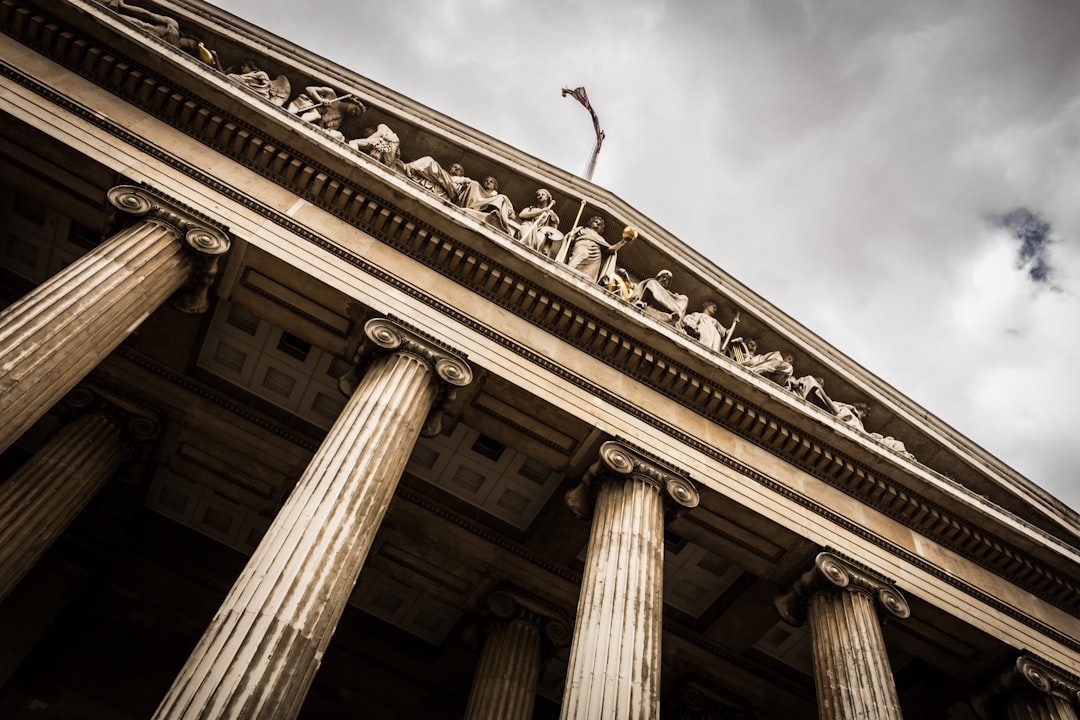
Historical Patterns of Institutional Cover-Ups in New Jersey School Abuse Cases offer a stark glimpse into systemic failures and their lasting impacts. A comprehensive look at case studies reveals recurring themes of denial, retaliation, and protection of perpetrators, often facilitated by complex institutional structures. For instance, many instances involve school administrators and personnel who, instead of upholding their duties to protect students, actively conspired to hide or minimize reports of abuse. This has been a particularly challenging issue in New Jersey, where school abuse law firms have consistently fought for justice on behalf of victims.
One pattern that emerges is the tendency for institutions to shift blame onto individuals, discrediting victims’ accounts and characterizing them as problematic. This tactic, while aiming to protect the reputation of the institution, perpetuates a culture of silence and impedes genuine accountability. Data from previous investigations suggest that such cover-ups can span decades, with some cases dating back to the 1970s, highlighting the need for continuous vigilance. School abuse law firms in New Jersey have been instrumental in uncovering these patterns through meticulous documentation and legal strategies aimed at exposing the truth.
Moreover, a significant pattern involves financial incentives and fear of negative publicity driving institutional cover-ups. Schools and districts may prioritize maintaining funding and community standing over the well-being of students. This dynamic is further complicated by potential conflicts of interest among decision-makers. To combat these issues effectively, stakeholders must advocate for robust oversight mechanisms, including independent investigations and transparent reporting. Engaging reputable school abuse law firms in New Jersey can provide victims with a powerful ally in navigating complex legal processes and ensuring justice.
Legal Implications and Reforms Post-Abuse Exposure

In the wake of exposing historical patterns of institutional cover-ups in New Jersey school abuse cases, a profound examination of the legal implications and reforms becomes paramount. School abuse law firms in New Jersey have played a pivotal role in shedding light on these heinous acts, holding institutions accountable for their negligence or complicity. The revelations have sparked significant changes in legislation and policy, aiming to protect students and prevent future abuses.
One tangible outcome has been the strengthening of laws pertaining to reporting and investigation procedures. New Jersey has implemented stringent mandates requiring schools, teachers, and administrators to report suspected abuse without fear of retaliation. This shift in legal discourse, facilitated by school abuse law firms, has empowered survivors to come forward and ensured that perpetrators face justice. Moreover, reforms include mandatory training programs for staff on recognizing and reporting child abuse, fostering a culture of vigilance and accountability within educational institutions.
Data from recent years underscores the effectiveness of these changes. According to statistics from the New Jersey Division of Child Protection and Permanency, reports of school-related abuse have increased, reflecting a heightened awareness among educators and students alike. While this rise may initially seem alarming, it signifies the successful implementation of new protocols designed to identify and address potential issues promptly. School abuse law firms in New Jersey continue to collaborate with policymakers to refine these laws, ensuring they remain effective and responsive to evolving dynamics within the educational system.
To sustain these reforms, ongoing education and collaboration are essential. Legal experts recommend regular updates to policies and procedures based on emerging trends in school abuse cases. Furthermore, fostering open dialogue between survivors, educators, and legal professionals through forums and support groups can facilitate better understanding and prevention strategies. By staying vigilant and proactive, New Jersey can continue setting a standard for safeguarding students within its educational institutions.